Emergency Water Damage Restoration in Fort Myers: What to Do Right Now
Water damage doesn't check the clock before it happens. A burst pipe at 2am on a Saturday causes exactly the same damage as one at 2pm on a Tuesday, it just feels a lot more disorienting when you're half asleep and every business you'd normally call is closed. Here's what actually matters in the first few minutes, regardless of what time it is.
Step 1: Safety Before Anything Else
This is not the step to rush past. Every serious guide on this agrees, and for good reason: water and electricity together are genuinely dangerous, not just an inconvenience.
- Never touch an electrical panel, outlet, or appliance if you're standing in water or your hands are wet.
- If the electrical panel itself is in a flooded area, don't go near it. Step away and contact your utility company from outside the home to have power cut from the grid instead.
- If you smell gas, leave immediately, don't flip any light switches on your way out, and call 911 from outside.
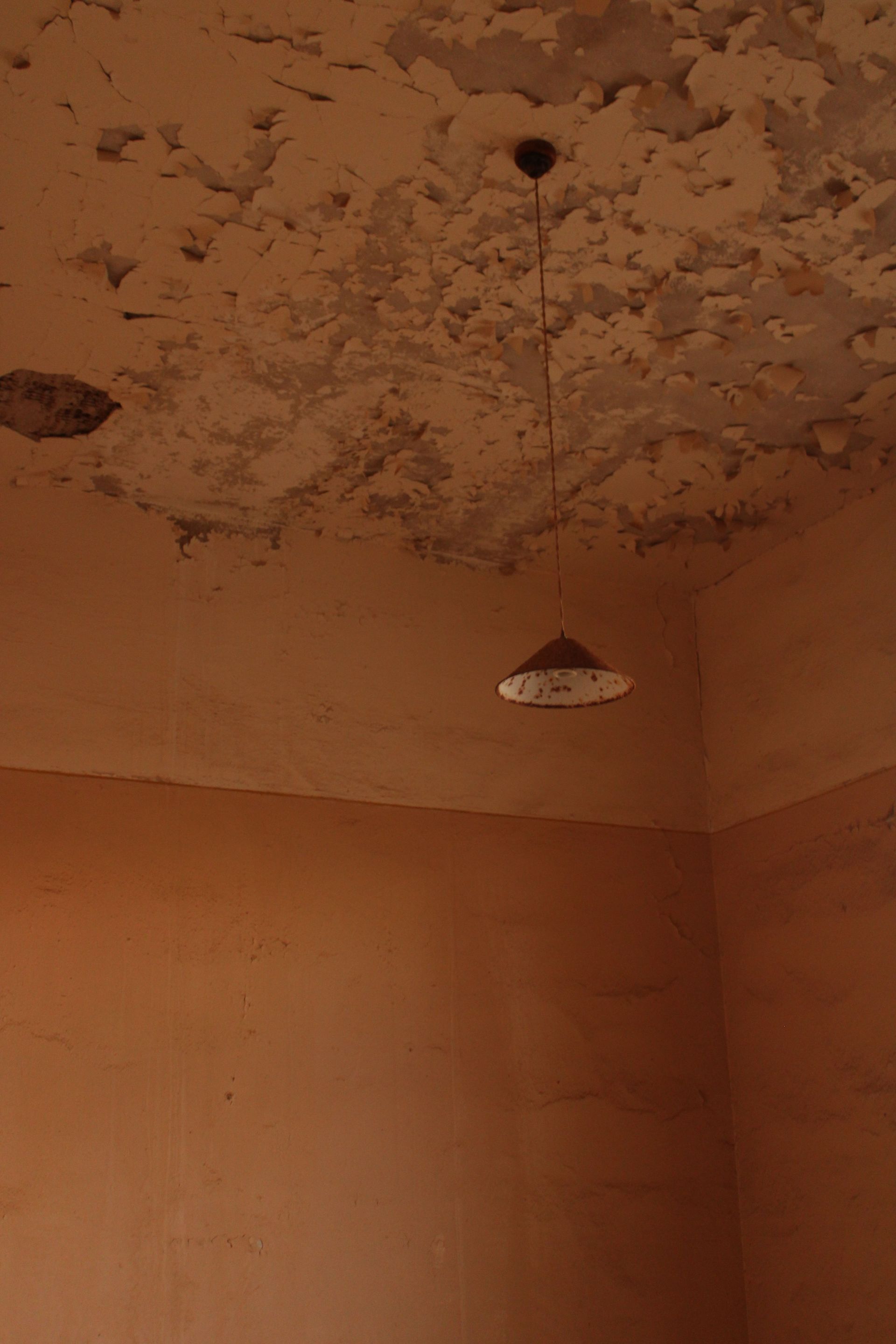
- If you see sagging ceilings, buckled walls, or anything suggesting structural damage, leave that area and don't go back in until it's been assessed.
If any of these apply, get everyone out and call for help before worrying about anything else in this list.
Step 2: Stop the Source, If It's Safe To
For an internal source like a burst pipe, supply line, or overflowing appliance, locate your main water shut-off valve and turn it off. This is worth knowing before you ever need it, most homes have this valve near where the water line enters the building, in a basement, crawl space, or near the water heater. Every adult in the household knowing where it is and how to use it turns a 2am emergency into a five-minute fix instead of a much bigger one.
If the water is coming from outside, storm flooding, a roof leak, or something you can't stop at the source, skip this step and move to documenting and limiting damage instead
Step 3: A Few Things Not To Do
- Don't use a regular vacuum on standing water, and don't run a wet/dry shop vacuum unless you're certain the electricity is safely on and dry.
- Don't turn on a ceiling fan if the ceiling above it is wet. A saturated ceiling can fail, and you don't want anything running when it does.
- Don't walk through standing water if the power in that area hasn't been confirmed off.
- Treat any exterior flood water as contaminated. Water that came from outside the home, storm surge, ground flooding, sewage backup, is generally the most contaminated category and should be handled with gloves and boots at bminimum, not bare-handed cleanup.
Step 4: Document Before You Touch Anything
Take photos and video of the standing water, the affected area, and anything damaged, before you start moving things or cleaning up. This matters for the insurance claim that's likely coming, and it's much harder to document convincingly after the cleanup has already started.
Step 5: Limit Further Damage, Within Reason
Once safety is confirmed and the source is stopped, a few things genuinely help without requiring special equipment:
- Move furniture, electronics, and valuables to a dry area if you can do so safely.
- If something's too heavy to move, foil or wood blocks under the legs can prevent staining and swelling while you wait.
- For small amounts of clean water, old towels can blot up what's there. This isn't a substitute for real extraction, just harm reduction until a professional arrives.
Don't over-commit here. The goal is limiting damage for the next hour or two, not doing the restoration yourself.
Why Calling Now Matters More Than It Might Feel Like It Does
It's tempting, especially at 2am, to clean up what you can and deal with the rest in the morning. Here's the problem with that: mold can begin colonizing a wet surface within 24 to 48 hours under average conditions, and Florida's heat and humidity routinely push that window shorter, not longer. The few hours between now and "in the morning" are exactly the hours that determine whether this stays a water damage job or turns into a mold remediation job too.
What a professional does in those first hours is called mitigation, the emergency response phase that's different from full restoration, and the faster it starts, the more likely the job stays at mitigation instead of needing a full rebuild.
Know This Before You Ever Need It
A few minutes now can save a lot of stress later: find your main water shut-off valve today, not during an emergency, and save an emergency restoration contact in your phone the same way you would a plumber or an electrician.
Redline Restoration provides emergency water damage restoration throughout Fort Myers, 24 hours a day, 7 days a week, because water damage doesn't wait for business hours and neither should the response to it. If you're dealing with water damage right now, get a free estimate or call (239) 356-0178, whatever time it is.