Wet Drywall: Can It Be Saved or Does It Need to Come Out
So the wall got wet. Maybe a pipe let go, maybe a storm pushed rain in sideways, maybe the AC drain line backed up and nobody noticed for a while. Now you're standing there pressing a finger against the drywall, trying to decide whether it's fine or whether this is about to turn into a demolition project.
It's one of the most common questions we hear, and the honest answer is that it depends. Some wet drywall can be dried in place and some can't be saved no matter what you do. The trick is knowing which one you're dealing with before you waste time on the wrong approach.
Short answer: wet drywall can sometimes be dried in place when the water was clean, it was caught early, and the board is still firm and intact. Drywall that is contaminated, soaked for a long time, sagging, crumbling, or showing mold generally has to be removed. A moisture reading, not how the wall looks, is what confirms which category you're in.
Let's walk through what decides it, the signs that mean a wall has to come out, and what you can safely do in the meantime.
What Decides Whether Wet Drywall Can Be Saved
Four things matter more than anything else.
- Where the water came from. Clean water from a supply line is a very different situation from water that came through a roof, an attic, a storm surge, or a drain. Water that has been contaminated is a much bigger concern, because the drywall soaks it up, and that is not something you want to leave sitting inside a wall. Restoration pros sort water into categories, and the difference between black water and gray water matters a lot here, but the rule of thumb is simple: the dirtier the source, the more likely the drywall has to go.
- How long it stayed wet. Drywall is made of a gypsum core wrapped in paper, and paper holds moisture. The longer it stays wet, the weaker the board gets and the more likely mold becomes a factor. A wall that was wet for a short time is in a very different position from one that sat wet for days.
- How wet it actually got. A light splash on the lower edge is not the same as a wall that was soaked from the top down or sat in standing water. The more saturated the board, the harder it is to dry in place and the more likely it has lost its strength.
- What is behind it. The drywall is rarely the only wet material. Insulation, framing, baseboards, and electrical components can all be holding water in the cavity. If the cavity is wet, drying only the surface solves nothing.
Signs Your Wet Drywall Has to Come Out
Some signs are hard to argue with. If you see any of these, the wall is very likely past the point of saving:
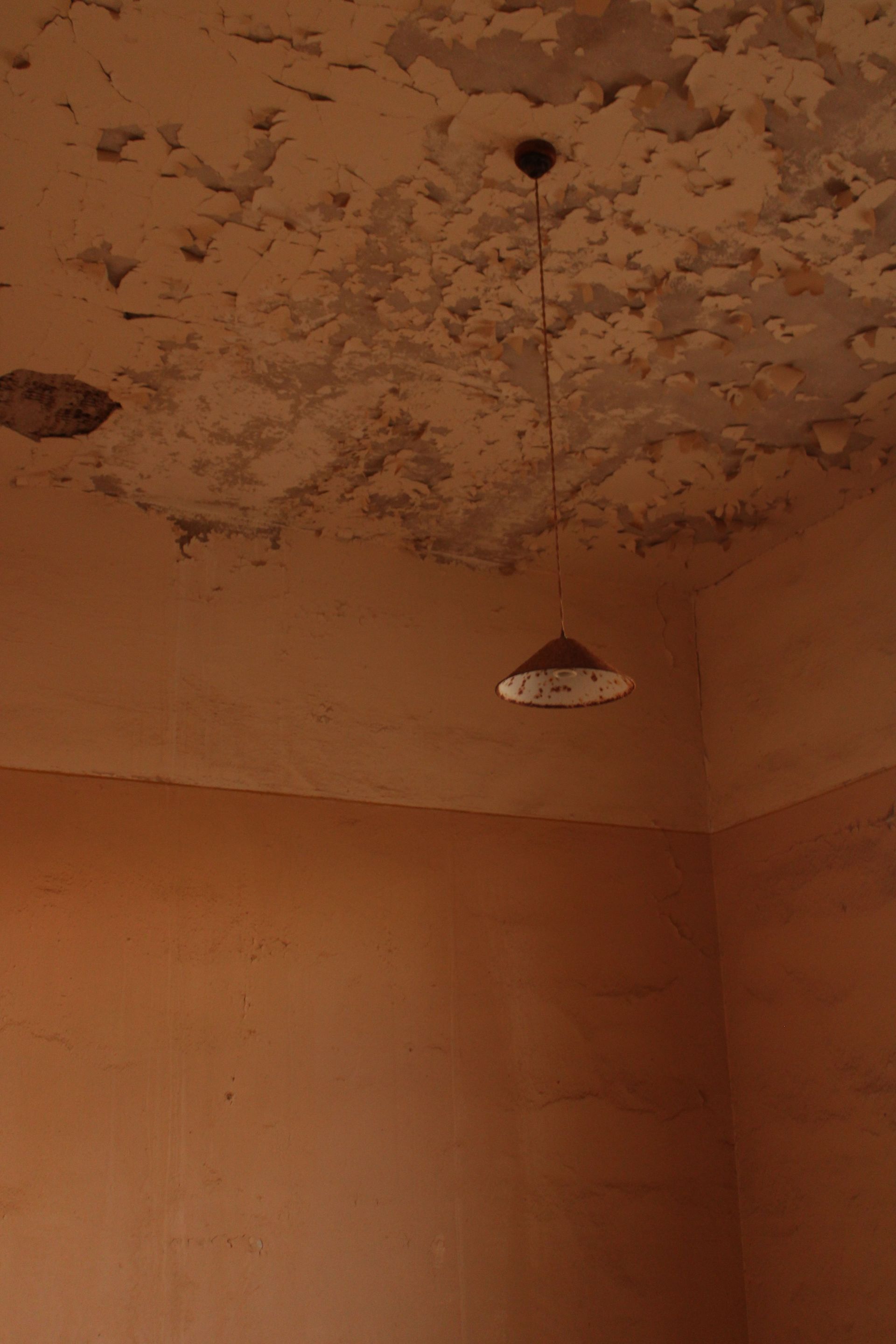
- Sagging, bowing, or bulging in the board or the ceiling
- Soft or crumbly texture, where you can press a finger in or the surface breaks apart
- Swollen or separating seams and corners that have pulled away
- Paper facing that is peeling, bubbling, or falling off
- Visible mold or a persistent musty smell
- Stains that keep spreading or reappear after drying
- Water that was contaminated, such as sewage, floodwater, or water that came through an attic or roof
- Drywall that has been wet more than once in the same place
Sagging ceilings deserve extra caution. A saturated ceiling is heavy, and it can fail with little warning, so keep people out from under it. If that's what you're looking at, a water stain on a ceiling that is growing or feels soft is the signal to stay out and get it checked.
When Wet Drywall Can Sometimes Be Dried in Place
There are situations where drywall can be saved, and professionals dry it in place all the time. It generally comes down to a combination of conditions:
- The water was clean when it arrived
- The problem was caught quickly
- The board is still firm, flat, and intact
- There is no sign of mold or lingering odor
- The cavity behind the wall can be accessed and dried as well
When those boxes are checked, drying usually involves controlled airflow and dehumidification, along with monitoring of the wall and the materials behind it until readings show everything has returned to normal levels. The drywall isn't considered dry because it feels dry. It's considered dry when the readings say so.
That last part is the one people skip, and it is the one that matters most.
Why Wet Drywall Is Harder to Judge Than It Looks
Drywall is a good liar. A wall can look perfectly fine, feel dry, and even have fresh paint on it, while the board and the cavity behind it are still holding moisture. Paint can seal the surface and make a wet wall feel dry to the touch. Water also travels, moving along framing and wicking up the board well above the visible wet line.
That is why the visible damage is often the smallest part of the picture, and why the hidden signs of water damage behind walls and cabinets are so easy to miss until a wall has already gone soft. It's also why storms can be so tricky. When rain is driven into walls from the side, as happens in a hurricane, the water often ends up inside the wall instead of on the floor, which is part of why hurricane water damage behaves differently from ordinary flooding.
Moisture meters and other tools let a professional see what your eyes and hands can't. If you are unsure, a moisture check is the fastest way to stop guessing.
What To Do Right Away If Your Drywall Got Wet
While you're figuring out the bigger picture, a few steps protect you and the wall.
- Make sure the area is safe. If water is near outlets, switches, light fixtures, or wiring, stay out and shut off power to that area at the breaker, but only if you can reach the panel without stepping in water.
- Stop the source if you can. Shut off the supply line or main water valve if a pipe is the culprit.
- Take photos and video of the wall and the surrounding area before you change anything.
- Move belongings away from the wall, and lift furniture off wet floors.
- Keep people out from under wet or sagging ceilings.
- Increase airflow only if the water was clean. Running the AC and a dehumidifier can help limit humidity. If the water might be contaminated, avoid moving air across it, since that can spread whatever is in it.
- Don't paint, caulk, or cover the wall. Sealing in moisture makes the problem harder to find and worse over time.
- Don't start cutting into a large wet area yourself. Opening a wall without knowing what's behind it can create safety issues and spread contamination.
- Get the wall checked. Many of the same first moves apply as in any water damage emergency in Fort Myers, and the sooner someone confirms what is wet, the more options you have.
Does Wet Drywall Grow Mold?
It can, and in Florida it often does if it stays wet. Drywall's paper facing is a friendly surface for mold, and a warm, humid climate gives it everything it needs. The longer a wall stays damp, the better the odds that mold is taking hold, sometimes on the back of the board where you'd never see it.
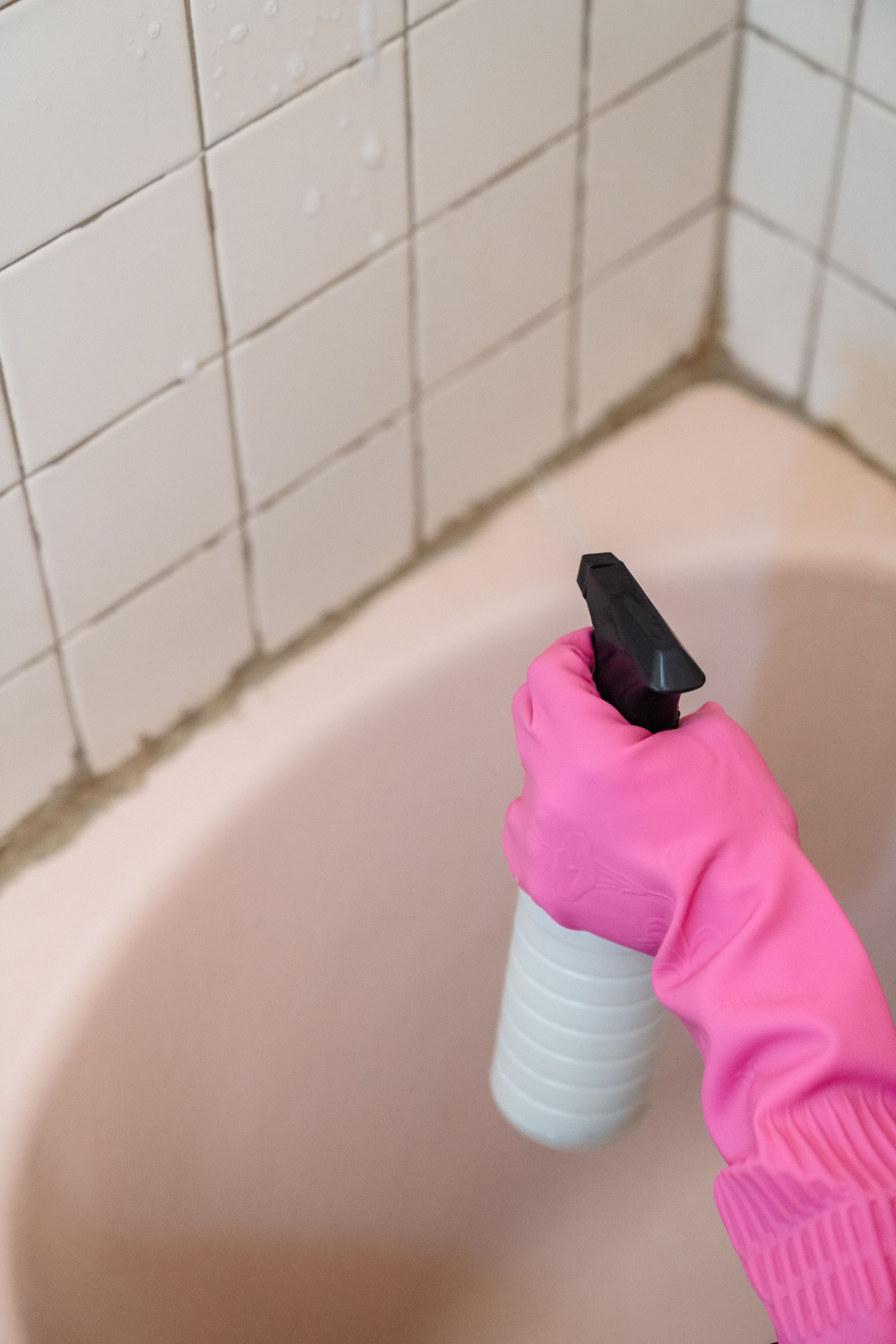
If you already see growth, resist the urge to wipe it away with a spray, because bleach rarely reaches what is growing inside porous materials like drywall. And if you're wondering how quickly this can go from a wet wall to a mold problem, water damage can turn into mold faster than most people expect in this climate. When mold has already set in, it becomes its own scope of work, and mold remediation in Fort Myers takes over from there.
What Happens When Drywall Has to Be Removed
The idea of tearing out part of a wall sounds dramatic, but it is a normal, controlled part of the process.
When drywall can't be saved, the affected section is removed, usually cut back a little past the visibly wet area so the new edge is clean and dry. That opens up the cavity so insulation and framing can be checked, and so anything that is wet can be dried or removed. The space is then dried with controlled airflow and dehumidification, and readings confirm everything is dry before anything goes back up.
Removing wet material quickly is what keeps a manageable job from growing. That's the heart of the emergency phase, which is called mitigation, and it is different from restoration. Taking out what can't be saved and drying what can is what stops the damage from spreading into the rest of the house.
After the Drywall Comes Out
Once everything is dry, the wall is rebuilt: new board goes in, seams are finished, texture is matched, and the surface is primed and painted. A good finish is what makes the repair disappear, and it is the last step in getting your home back to normal. We handle the drying and the water damage side through water damage restoration in Fort Myers, and the finishing touches through our painting services.
Quick Answers About Wet Drywall
Can wet drywall be saved?
Sometimes. If the water was clean, the problem was caught quickly, and the board is still firm and intact, it can often be dried in place. If it's sagging, soft, contaminated, or moldy, it generally has to come out.
How long does t take drywall to dry?
There's no single answer, because it depends on how wet it got, the humidity, the airflow, and what is behind the wall. Drywall is dry when moisture readings say it is, not when it feels dry.
Can I just paint over wet drywall?
No. Paint seals the surface and traps moisture, which can lead to bubbling, peeling, stains, and mold behind the paint.
What if only the bottom of the wall is wet?
Water can wick upward through the board and travel inside the cavity, so the wet area is often larger than it looks. A moisture check shows how far it really went.
Does wet drywall always have to be replaced?
No, but it often does when the water was dirty, the exposure was long, or the board has lost its strength.
Is wet drywall dangerous?
It can be. Saturated drywall is heavy and can fall, wet walls near wiring are an electrical risk, and damp board can grow mold. Stay clear of sagging areas and call for help.
Not Sure If Your Wall Can Be Saved? Let Us Check
A wet wall is one of those problems where a quick, accurate answer saves a lot of guessing. If your drywall got wet and you're not sure whether it can be dried or has to come out, we can take readings, tell you what is wet and what isn't, and lay out what needs to happen next.
Redline Restoration provides
water damage restoration throughout Fort Myers and South Florida.
Get a free estimate or
call (239) 356-0178 and we'll take a look.