Hurricane Water Damage vs. Regular Flooding: What's Different
When a hurricane reaches Southwest Florida, the water damage it leaves behind is a different problem from the flooding most homeowners picture, and treating it like an ordinary flood is where a lot of recoveries go wrong. It pays to be
ready before storm season instead of scrambling afterward, because a hurricane takes away many of the advantages you'd have in a normal water emergency.
Short answer: regular flooding is usually one water source in one place. A hurricane delivers several at once, wind-driven rain from above, storm surge from outside, and heavy rainfall flooding, typically while the power is out and the air is hot and humid. That combination changes what's in the water, where it hides, how fast mold moves in, and what safe cleanup looks like.
Hurricane Water Damage is Several Water Events at Once
A single hurricane can put water into a home three different ways, sometimes in the same afternoon.
Wind-driven rain pushes water sideways and upward into places that would never leak in a normal storm, under shingles, around window frames, through soffits, and past door seals. It enters from above and from the sides, and it often goes unnoticed because it ends up inside walls and ceilings rather than pooling on the floor.
Storm surge is ocean or bay water pushed inland by the storm's winds. It rises from the ground up, and it can arrive fast and reach well beyond what the rain alone would suggest.
Rainfall flooding happens when drainage systems and canals can't move water out as fast as it's falling, so streets, yards, and low areas fill.
Regular flooding, by contrast, usually has one cause. A burst supply line, an overflowing appliance, or a heavy afternoon downpour that overwhelms one area. The source is easier to identify, the affected area is easier to define, and the power and air conditioning in the home are usually still working while you deal with it. A hurricane takes most of those advantages away at the same time.
Storm Surge Brings Saltwater and Everything It Picked Up
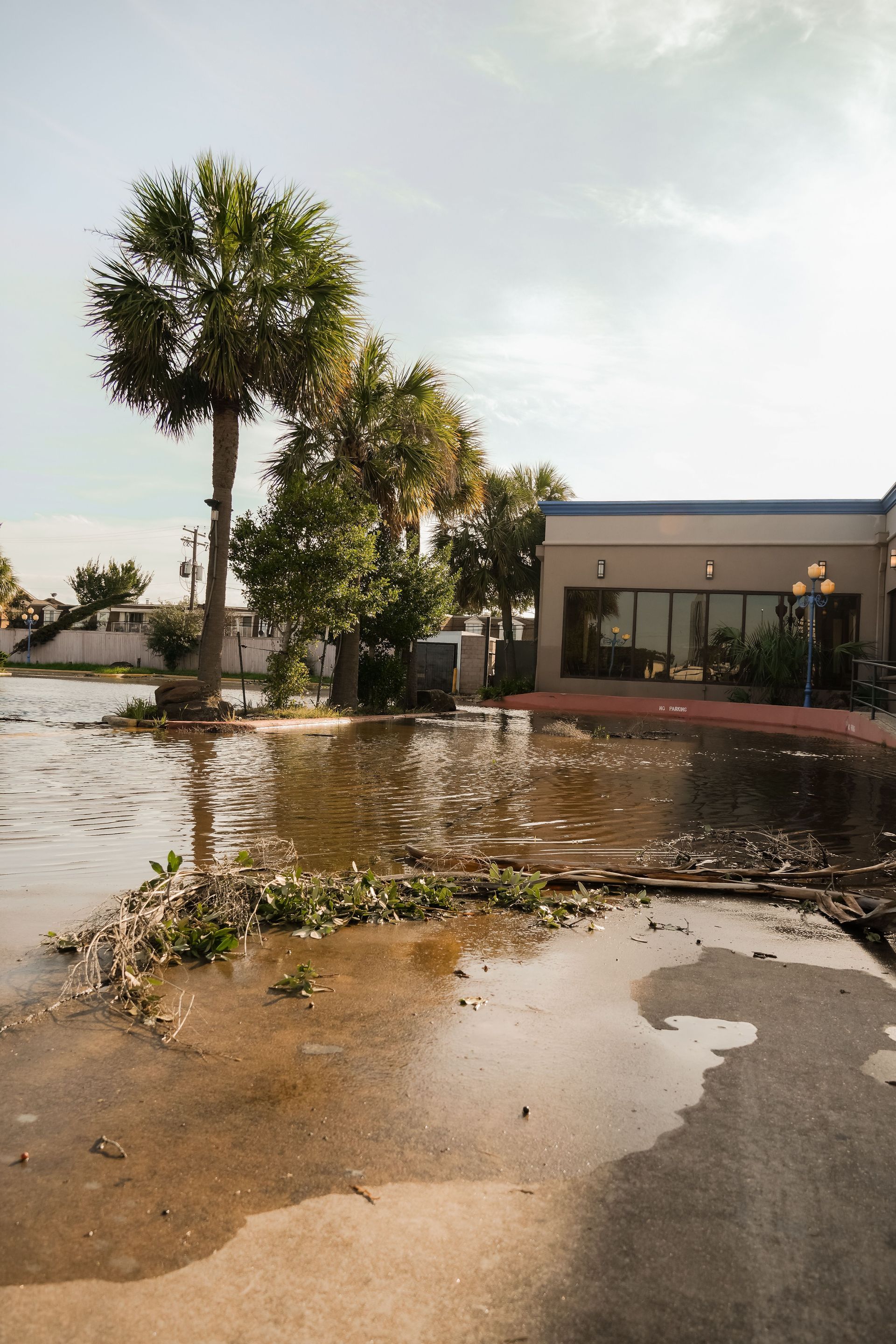
When Hurricane Ian made landfall at Cayo Costa on September 28, 2022, the National Hurricane Center's report put peak storm surge at 10 to 15 feet above ground at Fort Myers Beach. That water didn't come from a pipe or a rain cloud. It came from the Gulf and the bay, moving across streets, yards, and storm drains, and it carried sediment, debris, and whatever else was in its path into homes.
Saltwater changes the job in two specific ways. It conducts electricity more readily than freshwater, which raises the stakes around any electrical system or appliance it reached. And it's more corrosive, so metal components like HVAC equipment, plumbing fixtures, and fasteners can degrade faster than they would after a freshwater event of the same size.
Water that arrives this way is generally treated as heavily contaminated black water, which means more materials come out instead of being dried in place, and more protective gear and cleaning steps are needed before drying even starts.
Not All Hurricane Water is The Same
This is a distinction that often gets flattened online, and it matters. Hurricane water isn't one category. Water that came in as surge across streets and yards is one situation. Rain that blew in through a roof edge or a window frame is another. How contaminated any of it is depends on where it came from, what it passed through on its way in, and how long it sat.
In practice, that means one hurricane can produce two different scopes of work under the same roof. A ground floor reached by storm surge is handled one way. A ceiling and wall cavity soaked by wind-driven rain is handled another. Lumping everything together as "hurricane flooding" leads to either under-protecting people on the contaminated side or over-treating the cleaner side.
Wind-Driven Rain Gets in From Above and Hides
The water that comes in through the roof and walls is often the most underestimated part of hurricane damage, precisely because it doesn't look like a flood.
It soaks attic insulation, runs down inside wall cavities, and saturates ceiling drywall from above. The damage frequently shows up later as brown stains, a soft or sagging ceiling, bubbling paint, or a musty smell in a room that looked fine right after the storm. Wet attic insulation is a particular concern, because moisture hiding in an attic can sit unnoticed while it feeds mold.
There's another reason delay matters even when the water looks clean. Water that starts out relatively clean can degrade as it sits in saturated materials, picking up contamination from what it's soaking into. A job that begins as a straightforward drying project can become a more involved one if it's left alone.
The Visible Damage Is Rarely the Full Picture
After a hurricane, it's tempting to judge the damage by what you can see, a wet floor here, a stained ceiling there. But water moves. It travels along framing, wicks up drywall, and settles into insulation and subfloors where nothing shows on the surface.
That's why professionals rely on moisture readings rather than eyesight to find where the water actually went and to confirm when a structure is truly dry. A wall can look and feel fine while the cavity behind it is still saturated. Skipping that step is how a home ends up with a musty smell and a mold problem weeks after everything seemed finished.
No Power Means No Drying
This is the factor that most separates a hurricane from an ordinary flood, and it's specific to how Florida works.
Drying a wet structure depends on moving air and removing moisture from it. After a hurricane, power can be out for an extended time. That means no air conditioning and no dehumidification, in a climate where the outdoor air is already hot and humid and slows evaporation on its own. Wet drywall, framing, and insulation sit in warm, damp air with nothing pulling the moisture out, which is exactly how water damage turns into mold faster in Florida than most people expect.
With a regular flood, the home's own air conditioning and any dehumidifier you own are still working in your favor. After a hurricane, you're often starting from behind, which is why getting help moving quickly matters more than it would after a plumbing failure.
Safety Looks Different After a Hurricane
The hazards go beyond what you'd face in an ordinary water damage emergency.
- Treat standing water as potentially energized. Downed lines outside, damaged wiring inside, and a flooded electrical panel all make wading through water dangerous until power to the area is confirmed off.
- If your electrical panel is in flooded space, stay away from it. Have the utility shut power off at the source rather than touching it yourself.
- Never run a generator inside the home, in the garage, or near open windows. Carbon monoxide from generators is a real and serious risk after storms, when many households rely on them.
- Wear gloves and boots around any floodwater from outside. Surge and rainfall flooding should be treated as contaminated, not handled bare-handed.
- Stay out of areas with sagging ceilings or visible structural damage until they've been assessed.
Hurricane Flooding vs. Regular Flooding at a Glance
Source: Regular flooding is usually one source. Hurricane damage is typically several at once, wind-driven rain, surge, and rainfall flooding.
Water type: Regular flooding from a plumbing failure is often clean to start. Surge is saltwater and heavily contaminated. Wind-driven rain falls somewhere in between and depends on what it passed through.
Where it hides: Regular flooding is usually visible on floors. Hurricane damage often hides in attics, wall cavities, and ceilings, and shows up later.
Power and drying: Regular flooding usually leaves the home's air conditioning running. Hurricanes can cut power for an extended time, which means no dehumidification in humid heat.
Scope of work: Regular flooding is usually one scope. A hurricane can mean multiple scopes in the same house, depending on which water reached which area.
What To Do in The Hours After A Hurricane
Once it's safe to be in the space, a few actions make a real difference before professional help arrives:
- Take photos and video of everything before you move or clean anything.
- Cover openings if you can do so safely. A damaged roof section or broken window that's still letting rain in keeps adding water to a situation that's already a problem.
- Move valuables, electronics, and documents to a dry area.
- Don't start rebuilding. Tearing out or replacing materials before they've been assessed and dried can trap moisture and make the damage worse.
A professional starts with mitigation, the emergency phase that extracts water, dries the structure, and removes what can't be saved, and the rebuild comes after. Starting quickly is what keeps a storm loss from also becoming a mold problem, and if mold has already taken hold, mold remediation becomes its own scope of work.
Hurricane Water Damage Needs a Fast Response
Redline Restoration provides
storm damage restoration and
water damage restoration throughout Fort Myers and South Florida, with 24/7 emergency response. If you're dealing with hurricane water damage right now,
get a free estimate or
call (239) 356-0178.