Flood Zones in Fort Myers and What Homeowners Should Know
A lot of people in Fort Myers think flooding only happens during major hurricanes.
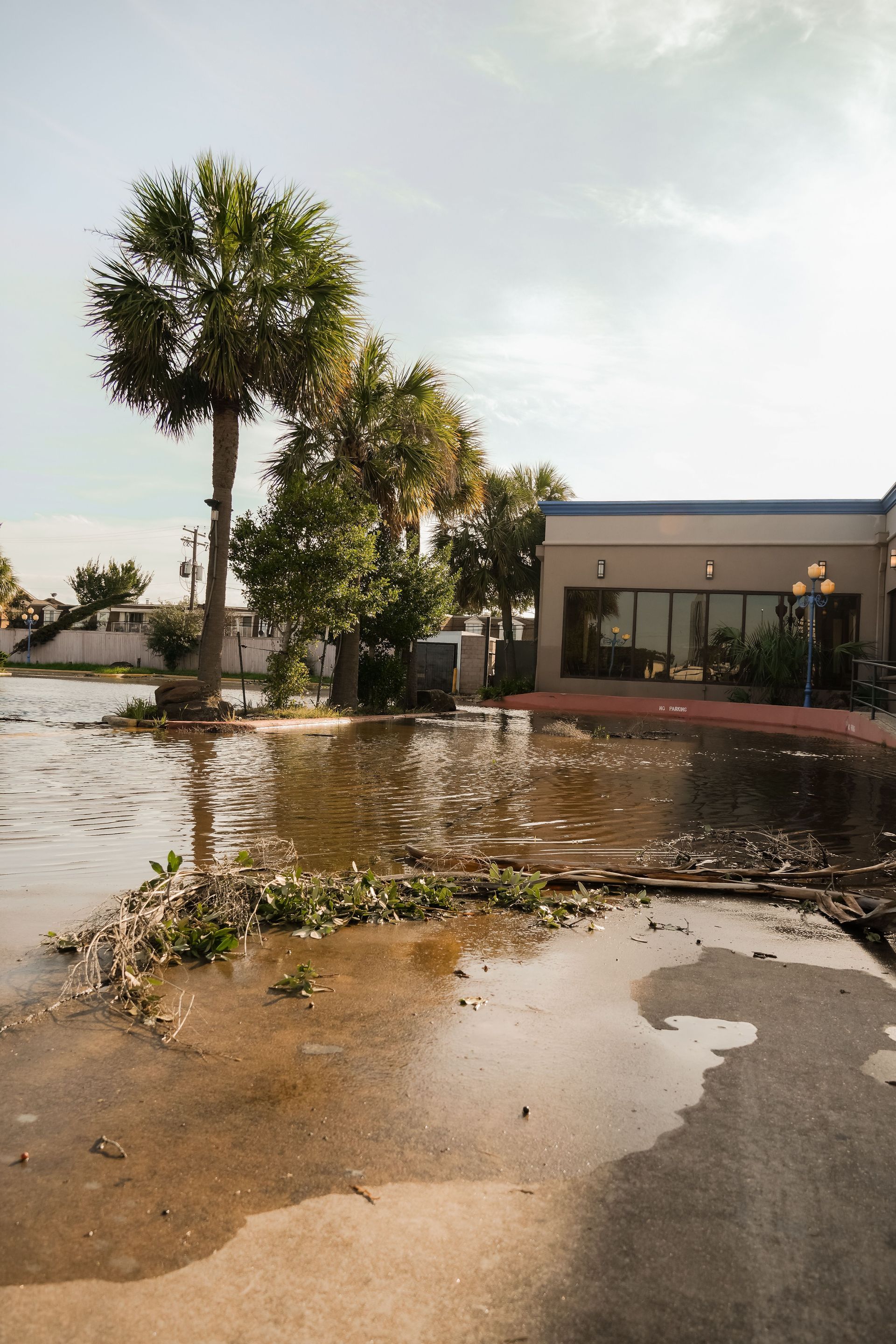
Then one heavy storm rolls through, streets start filling up fast, water creeps toward the house, and suddenly everything feels a little too real.
The truth is, flood damage in Southwest Florida is not rare anymore. Between storm surge, heavy rain, rising water tables, and overwhelmed drainage systems, even homes outside “high risk” flood zones can end up with serious water damage.
And the hardest part for many homeowners is this:
Most people do not realize how vulnerable their property is until water is already inside the house.
That is why understanding flood zones in Fort Myers matters so much, especially before storm season ramps up.
What Is a Flood Zone?
A flood zone is an area mapped by FEMA based on its likelihood of flooding.
These zones help determine:
- flood insurance requirements
- construction regulations
- overall flood risk
But here’s something important homeowners need to know:
Being outside a high-risk flood zone does not mean your home cannot flood.
In fact, many flood insurance claims come from moderate or lower-risk areas after severe storms and drainage failures.
Why Fort Myers Homes Are Especially Vulnerable
Fort Myers has several factors working against it during heavy weather.
Low Elevation
Much of Southwest Florida sits at low elevation, making it easier for water to collect during storms.
Intense Rainfall
Florida storms dump huge amounts of rain in short periods of time.
Even neighborhoods without direct storm surge can experience:
- street flooding
- drainage backups
- foundation seepage
- roof leaks
Storm Surge Risks
Coastal areas near Fort Myers face additional danger from storm surge during hurricanes and tropical systems.
Water can rise quickly and travel farther inland than many homeowners expect.
Older Drainage Systems
Some neighborhoods were not designed to handle the amount of rainfall modern storms now produce.
That means water can back up fast during major weather events.
The Flood Zones Homeowners Hear About Most
You have probably heard terms like Zone A or Zone X before.
Here’s the simplified version.
High-Risk Flood Zones
These areas have a higher chance of flooding and usually require flood insurance if the home has a federally backed mortgage.
Common examples include:
- Zone A
- Zone AE
- coastal flood zones
Moderate to Low-Risk Zones
These areas have lower statistical flood risk but can still flood during major storms.
A lot of homeowners mistakenly assume these zones are “safe.”
Unfortunately, floodwaters do not care what zone label a neighborhood has.
The Biggest Mistake Homeowners Make About Flooding
A lot of people focus only on dramatic flooding.
But some of the worst water damage comes from slower, less obvious situations.
Things like:
- water entering through roof leaks
- overflowing gutters
- drainage failures
- water seeping through walls or foundations
These smaller issues often turn into major water damage restoration Fort Myers FL projects because the moisture spreads quietly behind walls and flooring.
What Flood Damage Really Looks Like Inside a Home
Flood damage is rarely just “water on the floor.”
Once water enters a property, it can affect:
- drywall
- insulation
- flooring
- cabinetry
- electrical systems
- indoor air quality
And in Florida’s humidity, moisture spreads fast.
This is why homes often develop:
- warped flooring
- peeling paint
- musty smells
- bubbling drywall
- mold growth
Sometimes the damage is obvious right away. Sometimes it shows up weeks later through hidden water damage behind walls and cabinets.
Why Mold Is One of the Biggest Risks After Flooding
This is where things get complicated.
After flooding, moisture can remain trapped inside building materials even when surfaces look dry.
That creates the perfect environment for mold growth.
In Fort Myers, mold can begin developing within 24 to 48 hours after water exposure.
This is why many storm-related losses eventually require both water damage restoration Fort Myers and mold remediation Fort Myers services.
And honestly, this is where many homeowners get caught off guard.
They think the house dried out naturally… until the smell starts.
What Homeowners Should Do Before Flooding Happens
Preparation matters more than people realize.
A few things that can help reduce flood damage risk:
Check Roof and Gutters
Small roof issues become major leaks during storms.
Clean gutters and make sure water drains away from the property.
Review Flood Insurance
Many homeowners assume their standard insurance policy covers flooding.
A lot of policies do not.
Review coverage before storm season begins, not after damage happens.
Store Important Documents Safely
Keep insurance paperwork, IDs, and valuable records in waterproof containers or digital backups.
Know the Early Signs of Moisture Problems
Watch for:
- musty smells
- ceiling stains
- soft drywall
- warped flooring
- peeling paint
These are often early warning signs of trapped moisture.
What to Do If Floodwater Gets Inside Your Home
First, stay safe.
Floodwater may contain:
- bacteria
- chemicals
- sewage contamination
After the immediate danger passes:
- document the damage
- avoid walking through standing water if possible
- remove valuables from affected areas
- begin drying as quickly as possible
Fast flood cleanup and water damage restoration can dramatically reduce long-term damage and mold risk.
Why Fast Action Matters So Much in Florida
Florida humidity changes everything.
Water that might dry naturally in another climate can stay trapped much longer here.
The longer moisture sits:
- the more materials absorb it
- the higher mold risk becomes
- the more expensive repairs often get
Quick professional drying is often the difference between minor repairs and major reconstruction.
Flood Zones Are About More Than Insurance
A lot of homeowners think flood zones only matter when buying insurance.
But really, they are about understanding your property’s vulnerability before disaster happens.
Knowing your flood risk helps you:
- prepare earlier
- protect your home
- reduce long-term damage
- make smarter decisions during storm season
And in Fort Myers, preparation matters.
Because flooding is not always about massive hurricanes anymore.
Sometimes it is just one long night of rain.